Fluctuating output from wind and solar power requires reliable hardware to stabilize the electrical grid. When generation exceeds consumption, excess power often goes unused unless dedicated infrastructure captures that energy for later use. This is where a battery energy storage system provides utility by acting as a bridge between variable supply and fixed demand. Since they are Atess, they focus on building hardware that captures surplus generation with high precision. By managing these energy flows, they ensure that the power generated from clean sources remains available when the sun sets or the wind dies down.
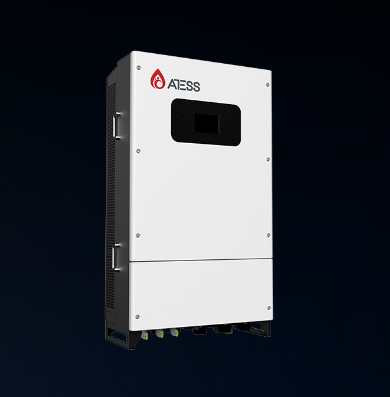
Balancing Supply and Demand
The primary function of energy storage systems involves shifting energy availability to match peak load periods. Without this capability, grids face pressure during high-demand hours, often requiring the activation of secondary power sources. A battery energy storage system mitigates this by discharging stored capacity at the exact moment the grid requires support. Atess designs their units to respond rapidly to frequency signals, which helps grid operators prevent imbalances that could otherwise lead to system outages. This automated response provides a stable environment for renewable integration.
Ensuring Grid Reliability with Storage
Reliability in a renewable-heavy grid depends on the responsiveness of the hardware installed throughout the network. An energy storage system must perform consistently under varying environmental conditions to support the long-term viability of green power projects. These installations allow for a more decentralized grid architecture, where power is stored near the point of use. By deploying a robust battery energy storage system, facility managers gain control over their electricity costs and minimize reliance on external providers. This control is essential for industries that require uninterrupted power to perform their daily operations.
Future Perspectives on Infrastructure
Continuous advancement in power hardware allows for greater density and efficiency. As projects grow in scale, the need for scalable energy storage systems increases to accommodate more complex setups.
In conclusion, balancing renewable energy requires sophisticated hardware that can store and distribute power on demand. Reliable infrastructure ensures that power availability remains consistent, supporting the transition toward more sustainable energy practices.
