In the medical field, particularly in dentistry, precision is paramount. With advancements in technology, video glasses and virtual video display glasses are emerging as transformative tools for dental surgeries. These advanced devices enable practitioners to elevate their performance while also enhancing patient care. As operational demands increase, the integration of effective visualization tools becomes essential for modern dental practices.
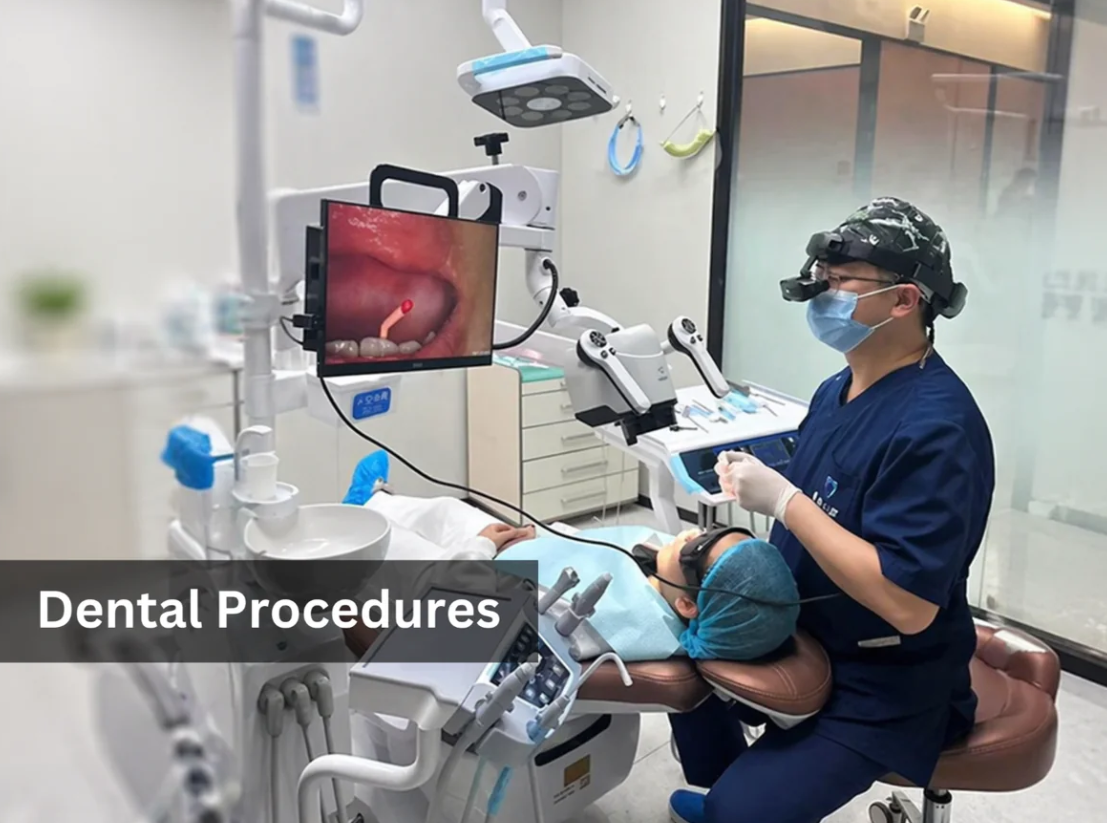
Enhanced Visibility for Greater Precision
A significant challenge faced by dental surgeons is achieving unobstructed visibility during intricate procedures. Traditional viewing methods can create physical strain and necessitate awkward angles, ultimately impeding performance. However, the introduction of virtual video display glasses allows dental professionals to enjoy an unconstrained viewing experience. By freeing visualization from fixed displays, these glasses enable surgeons to maintain a clear line of sight from various angles, reducing neck and back strain and facilitating prolonged focus during lengthy procedures.
Improving Coordination and Workflow Efficiency
Hand-eye coordination is critical in dental interventions, where precision can make the difference between success and complications. By presenting surgical imagery within the natural line of sight, video glasses enhance the connection between visual feedback and manual actions. This integration significantly reduces visual fragmentation, allowing for more direct, intuitive perceptions. Hence, dentists using these high-tech glasses can achieve more controlled operations and improved consistency, ultimately leading to better patient outcomes and an enhanced surgical workflow.
Superior Imaging Technology for Optimal Outcomes
The effectiveness of virtual video display glasses is largely attributable to their high-fidelity visual clarity. Utilizing proprietary optical architecture, these GOOVIS glasses provide 4K-level imaging, ensuring that critical visual details remain sharp and consistent throughout the procedure. This high-quality visualization empowers dental professionals to execute intricate tasks with greater confidence, thereby enhancing the overall safety and efficiency of surgical operations.
Conclusion
As dental practices increasingly adopt cutting-edge technologies, integrating video glasses can significantly improve both surgical outcomes and patient experiences. The ability to maintain clear visualization without the constraints of traditional displays not only alleviates physical strain but also enhances hand-eye coordination and consistency. By embracing these innovations, the dental industry can continue to expand its capabilities, ultimately leading to improved health outcomes and patient satisfaction.
