Adopting the right battery energy storage system is a key decision for businesses optimizing solar installations. As 2025 unfolds, companies seeking durability, efficiency, and cost-effective performance are comparing traditional lead-acid solutions with modern lithium options. This article breaks down the core differences and helps you assess the best approach for your solar battery storage system needs.
Understanding Lead-Acid and Lithium Technologies
Lead-acid batteries have a long history in energy storage. They are typically more affordable upfront and have a well-understood performance profile. These batteries, however, offer lower efficiency and shorter useful life when cycled frequently. Lead-acid units usually allow a depth of discharge (DoD) around 50 percent to avoid reducing lifespan and often require regular maintenance. By contrast, lithium chemistries, such as lithium-iron-phosphate (LiFePO4), deliver higher efficiency and greater usable capacity. Lithium batteries often sustain over 95 percent round-trip efficiency and permit deeper discharge levels without significant degradation, improving overall system utilization.
Performance and Total Cost Considerations
When evaluating a solar battery storage system for commercial or industrial applications, lifecycle cost often outweighs upfront pricing. Though lead-acid solutions may cost less initially, their shorter cycle life and maintenance requirements can raise total cost over time. Lithium systems typically endure many more cycles and often need fewer replacements over a decade of operation, which can reduce overall ownership costs.
Efficiency and charging speed also factor into performance comparisons. Lithium batteries tend to charge more quickly and retain stable power delivery across varied conditions, making them well-suited for applications with dynamic solar generation patterns. Lead-acid variants may require longer recharge periods and exhibit greater performance variability.
Integrating with Advanced Storage Platforms
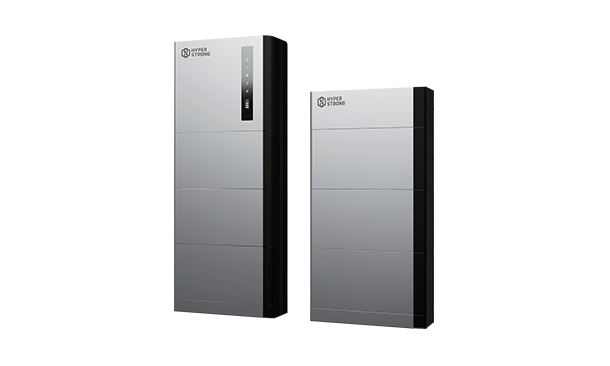
Companies like HyperStrong offer a range of tailored battery energy storage system products that leverage modern battery chemistries. From the scalable residential HyperBox to utility-scale solutions boasting multi-megawatt capacity and intelligent management features, these systems integrate smart controls with robust safety protections.
Conclusion
Choosing between lead-acid and lithium technologies depends on your project’s usage patterns, budget constraints, and long-term goals. For frequent cycling, high efficiency, and reduced maintenance in a solar battery storage system, lithium configurations are often the preferred option in 2025. Lead-acid may still fit scenarios with minimal cycling and tight upfront budgets, but evolving energy storage demands and the performance profiles of advanced solutions from providers like HyperStrong are encouraging a broader transition to lithium-based systems.
